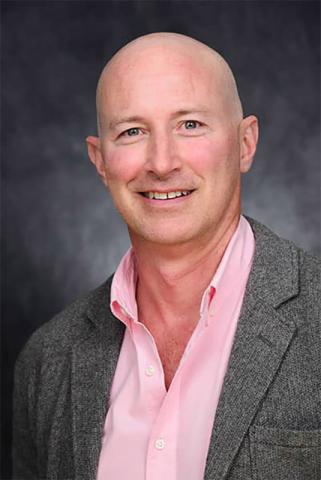
Dr. David Crosslin
Professor Crosslin's current research program focuses on the area of precision medicine, with a combination of statistical genetics, biomedical informatics, implementation science, and computational / bioinformatics tools development. One implementation theme of his research program is the integration of genomics data into the electronic health record (EHR) for clinical decision support. As such, his program is in line with advancing the national electronic health information infrastructure in support of personalized medicine.
Email: crosslin@tulane.edu
Professor Crosslin's current research program focuses on the area of precision medicine, with a combination of statistical genetics, biomedical informatics, implementation science, and computational / bioinformatics tools development. One implementation theme of his research program is the integration of genomics data into the electronic health record (EHR) for clinical decision support. As such, his program is in line with advancing the national electronic health information infrastructure in support of personalized medicine.
Email: crosslin@tulane.edu
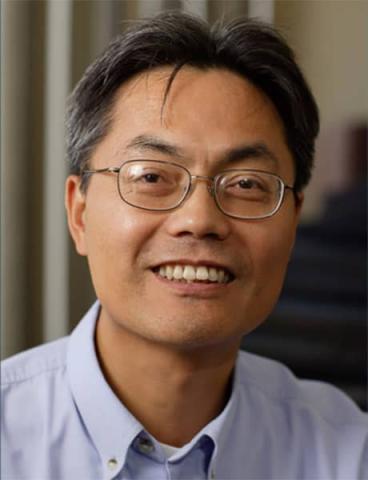
Dr. Hong-Wen Deng
Dr. Deng is a researcher/educator with extensive multi-/inter-disciplinary expertise in biostatistics and bioinformatics methodology research, big data, genomics, transcriptomics, epigenomics, proteomics, genetic epidemiology, complex traits and diseases (especially osteoporosis, sarcopenia, and obesity), system biology, endocrinology, bone biology and recently metabolomics and metagenomics.
Email: hdeng2@tulane.edu
Dr. Deng is a researcher/educator with extensive multi-/inter-disciplinary expertise in biostatistics and bioinformatics methodology research, big data, genomics, transcriptomics, epigenomics, proteomics, genetic epidemiology, complex traits and diseases (especially osteoporosis, sarcopenia, and obesity), system biology, endocrinology, bone biology and recently metabolomics and metagenomics.
Email: hdeng2@tulane.edu
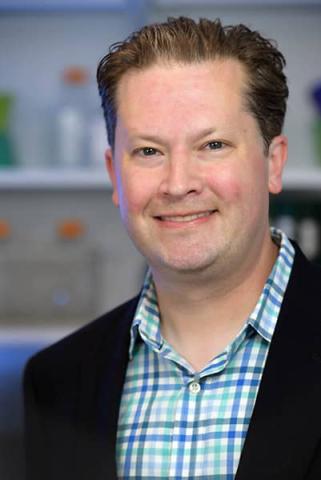
Dr. Loren Gragert
Dr. Gragert's research areas are population genetics modeling, disease association studies, immunogenetics, organ and stem cell transplantation, AI/machine learning and statistics, clinical informatics and data formats standards, database design, and software engineering and full stack web application development.
Email: lgragert@tulane.edu
Dr. Gragert's research areas are population genetics modeling, disease association studies, immunogenetics, organ and stem cell transplantation, AI/machine learning and statistics, clinical informatics and data formats standards, database design, and software engineering and full stack web application development.
Email: lgragert@tulane.edu
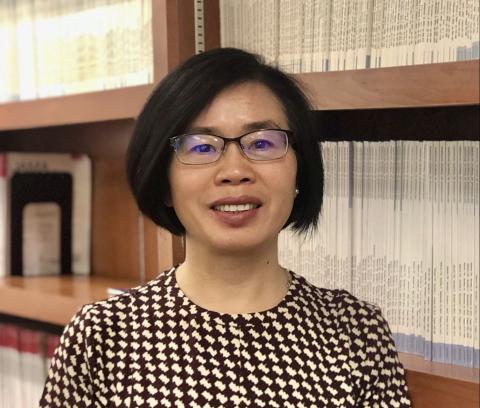
Dr. Hua He
Dr. He’s research focuses on biostatistics. She can provide extensive expertise in study design, power analysis and sample size calculation, study protocol development, data management and quality control, statistical analysis plan development, data analysis, interpretation and reporting of results, as well as collaborative research support.
Email: hhe2@tulane.edu
Dr. He’s research focuses on biostatistics. She can provide extensive expertise in study design, power analysis and sample size calculation, study protocol development, data management and quality control, statistical analysis plan development, data analysis, interpretation and reporting of results, as well as collaborative research support.
Email: hhe2@tulane.edu
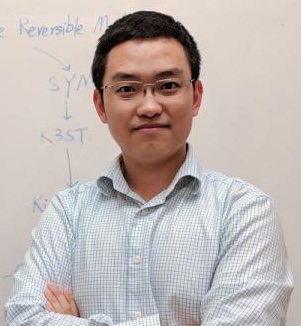
Dr. Xiang Ji
Dr. Ji’s research focuses on statistical phylogenetics, from model development to practical parallel computing library implementation. Dr. Ji is a developer of the BEAGLE library (https://github.com/beagle-dev/beagle-lib) and BEAST software package (https://beast.community/). His recent research has been on viral evolution, multigene family evolution and cancer evolution. He has been developing linear-time gradient algorithms for statistical phylogenetic models to apply them in Hamiltonian Monte Carlo methods. He has also been exploring efficient GPU implementations of afore-mentioned algorithms.
Email: xji4@tulane.edu
Dr. Ji’s research focuses on statistical phylogenetics, from model development to practical parallel computing library implementation. Dr. Ji is a developer of the BEAGLE library (https://github.com/beagle-dev/beagle-lib) and BEAST software package (https://beast.community/). His recent research has been on viral evolution, multigene family evolution and cancer evolution. He has been developing linear-time gradient algorithms for statistical phylogenetic models to apply them in Hamiltonian Monte Carlo methods. He has also been exploring efficient GPU implementations of afore-mentioned algorithms.
Email: xji4@tulane.edu
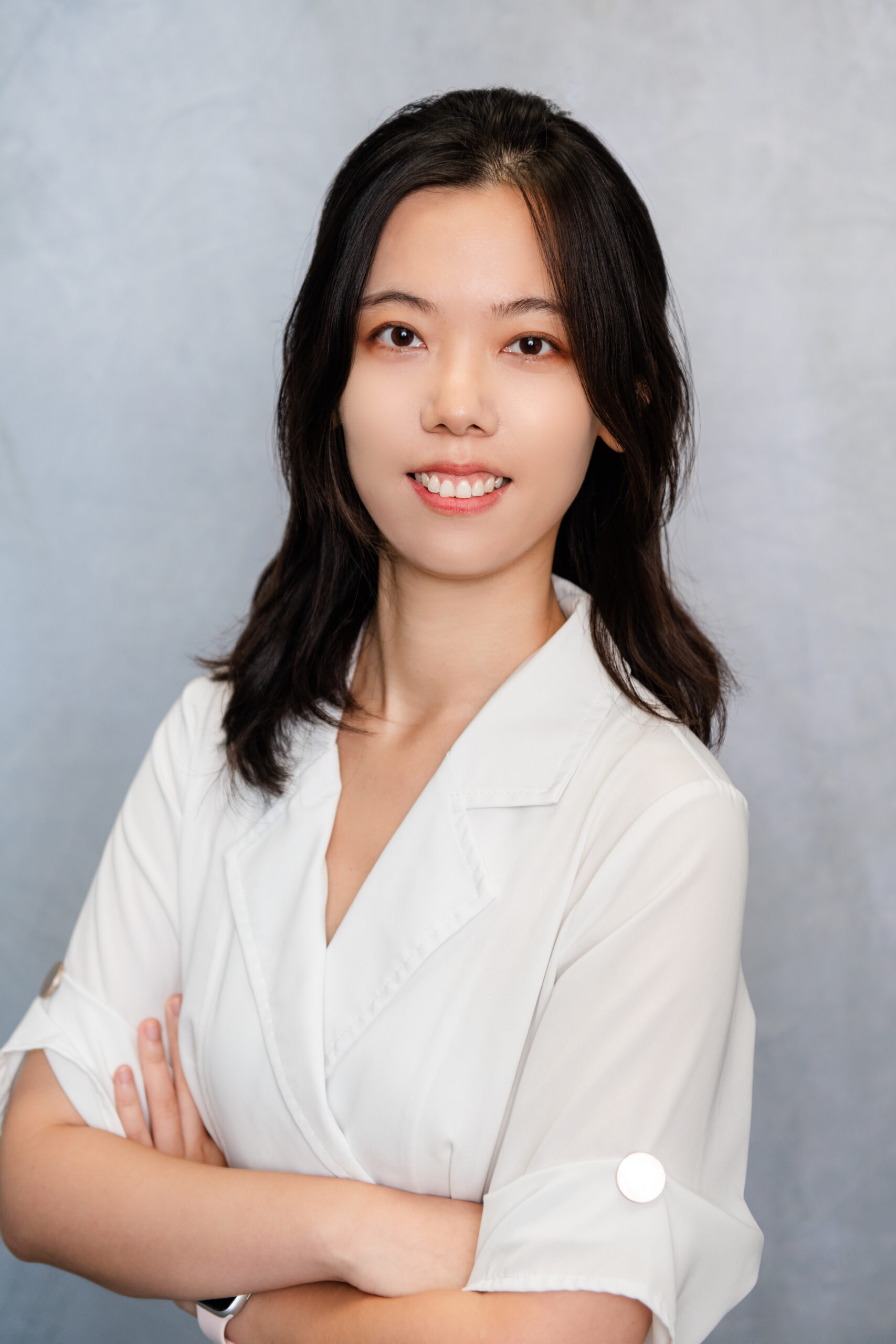
Dr. Anqi Liu
Dr. Liu's research leverages her medical background and statistical expertise to interpret complex data, particularly in whole genome sequencing (WGS), transcriptome-wide association studies (TWAS), multi-omics data integration, single-cell sequencing data, and spatial transcriptomics. She focuses on constructing influential models using machine learning, artificial intelligence, and advanced deep learning techniques. Her current research primarily aims to discover significant biomarkers and causal mechanisms underlying complex human diseases, especially those related to aging, such as osteoporosis and Alzheimer's disease. Additionally, she is working on developing innovative methods in biomedical informatics that are crucial for omics imputation and subsequent analyses.
Email: aliu10@tulane.edu
Dr. Liu's research leverages her medical background and statistical expertise to interpret complex data, particularly in whole genome sequencing (WGS), transcriptome-wide association studies (TWAS), multi-omics data integration, single-cell sequencing data, and spatial transcriptomics. She focuses on constructing influential models using machine learning, artificial intelligence, and advanced deep learning techniques. Her current research primarily aims to discover significant biomarkers and causal mechanisms underlying complex human diseases, especially those related to aging, such as osteoporosis and Alzheimer's disease. Additionally, she is working on developing innovative methods in biomedical informatics that are crucial for omics imputation and subsequent analyses.
Email: aliu10@tulane.edu
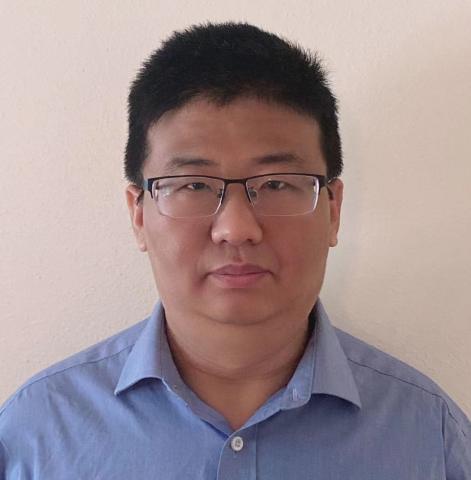
Dr. Xiaowen (Kevin) Liu
Dr. Liu’s research focuses on computational proteomics, machine learning, omics data analysis, and software development. His lab designed innovative algorithms and developed the most popular open-source software suite for top-down MS-based proteoform identification, characterization, and quantification, which has been used by hundreds of universities and research institutes.
Email: xwliu@tulane.edu
Dr. Liu’s research focuses on computational proteomics, machine learning, omics data analysis, and software development. His lab designed innovative algorithms and developed the most popular open-source software suite for top-down MS-based proteoform identification, characterization, and quantification, which has been used by hundreds of universities and research institutes.
Email: xwliu@tulane.edu
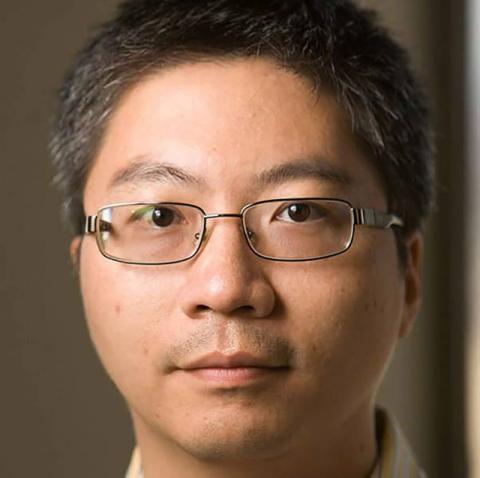
Dr. Hui Shen
Hui Shen is a geneticist with specific training and expertise in genomics and epigenomics of human complex disorders. His current research interests focus mainly on identifying and characterizing genetic and epigenetic variation that affects susceptibility to complex human disorders, such as osteoporosis and sarcopenia. He is now expanding his research area into the cutting-edge metagenomics of osteoporosis and sarcopenia.
Email: hshen3@tulane.edu
Hui Shen is a geneticist with specific training and expertise in genomics and epigenomics of human complex disorders. His current research interests focus mainly on identifying and characterizing genetic and epigenetic variation that affects susceptibility to complex human disorders, such as osteoporosis and sarcopenia. He is now expanding his research area into the cutting-edge metagenomics of osteoporosis and sarcopenia.
Email: hshen3@tulane.edu
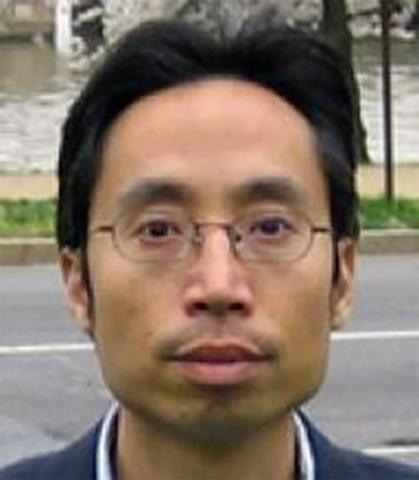
Dr. Yu-Ping Wang
Dr. Wang's research includes genetic imaging, bioinformatics, multiscale mathematical analysis and various biomedical applications, where his work has been supported by NSF, NIH and industries.
Email: wyp@tulane.edu
Dr. Wang's research includes genetic imaging, bioinformatics, multiscale mathematical analysis and various biomedical applications, where his work has been supported by NSF, NIH and industries.
Email: wyp@tulane.edu
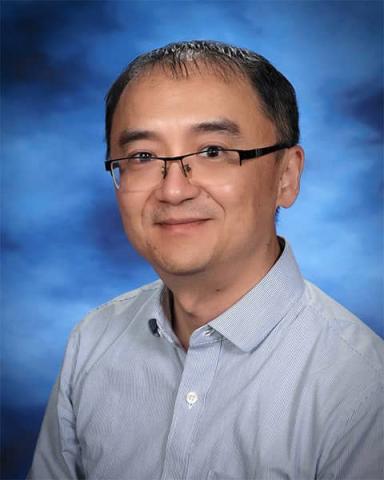
Dr. Hao Zhu
Dr. Zhu's major research interest is to use cheminformatics tools to develop predictive models. All resulted models can be used to directly predict the chemical efficacy and toxicity based on the public big data and molecular structure information. His current research interests also include data-driven modeling, artificial intelligence algorithm development and computer-aided nanomedicine design. He is the Principal Investigator (PI) of several prestigious research grants (NIH R01, NIH U02, NSF, NIH R15 and etc).
Email: hzhu10@tulane.edu
Dr. Zhu's major research interest is to use cheminformatics tools to develop predictive models. All resulted models can be used to directly predict the chemical efficacy and toxicity based on the public big data and molecular structure information. His current research interests also include data-driven modeling, artificial intelligence algorithm development and computer-aided nanomedicine design. He is the Principal Investigator (PI) of several prestigious research grants (NIH R01, NIH U02, NSF, NIH R15 and etc).
Email: hzhu10@tulane.edu
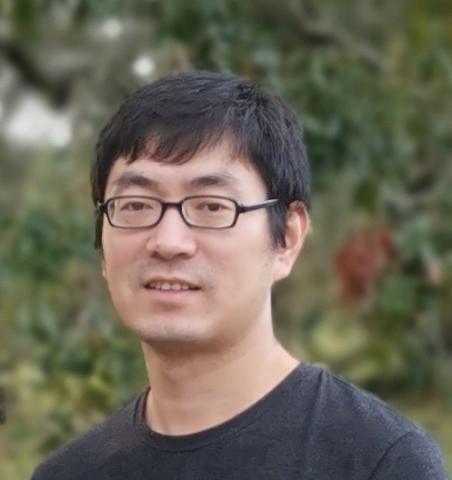
Dr. Chuan Qiu
Dr. Qiu has a strong, multidisciplinary background in genetics, molecular genetics, biostatistics, and bioinformatics, with expertise in genetic and epigenetic studies of complex human diseases. He has led and contributed to studies of musculoskeletal traits, including osteoporosis and sarcopenia, using genome-wide association, transcriptomic, epigenomic, and integrative multi-omics approaches. His recent work focuses on machine learning–based risk prediction and the application of single-cell and spatial transcriptomics to uncover disease mechanisms. These efforts establish a strong foundation for advancing the understanding of osteoporosis pathogenesis.
Email: cqiu@tulane.edu
Dr. Qiu has a strong, multidisciplinary background in genetics, molecular genetics, biostatistics, and bioinformatics, with expertise in genetic and epigenetic studies of complex human diseases. He has led and contributed to studies of musculoskeletal traits, including osteoporosis and sarcopenia, using genome-wide association, transcriptomic, epigenomic, and integrative multi-omics approaches. His recent work focuses on machine learning–based risk prediction and the application of single-cell and spatial transcriptomics to uncover disease mechanisms. These efforts establish a strong foundation for advancing the understanding of osteoporosis pathogenesis.
Email: cqiu@tulane.edu
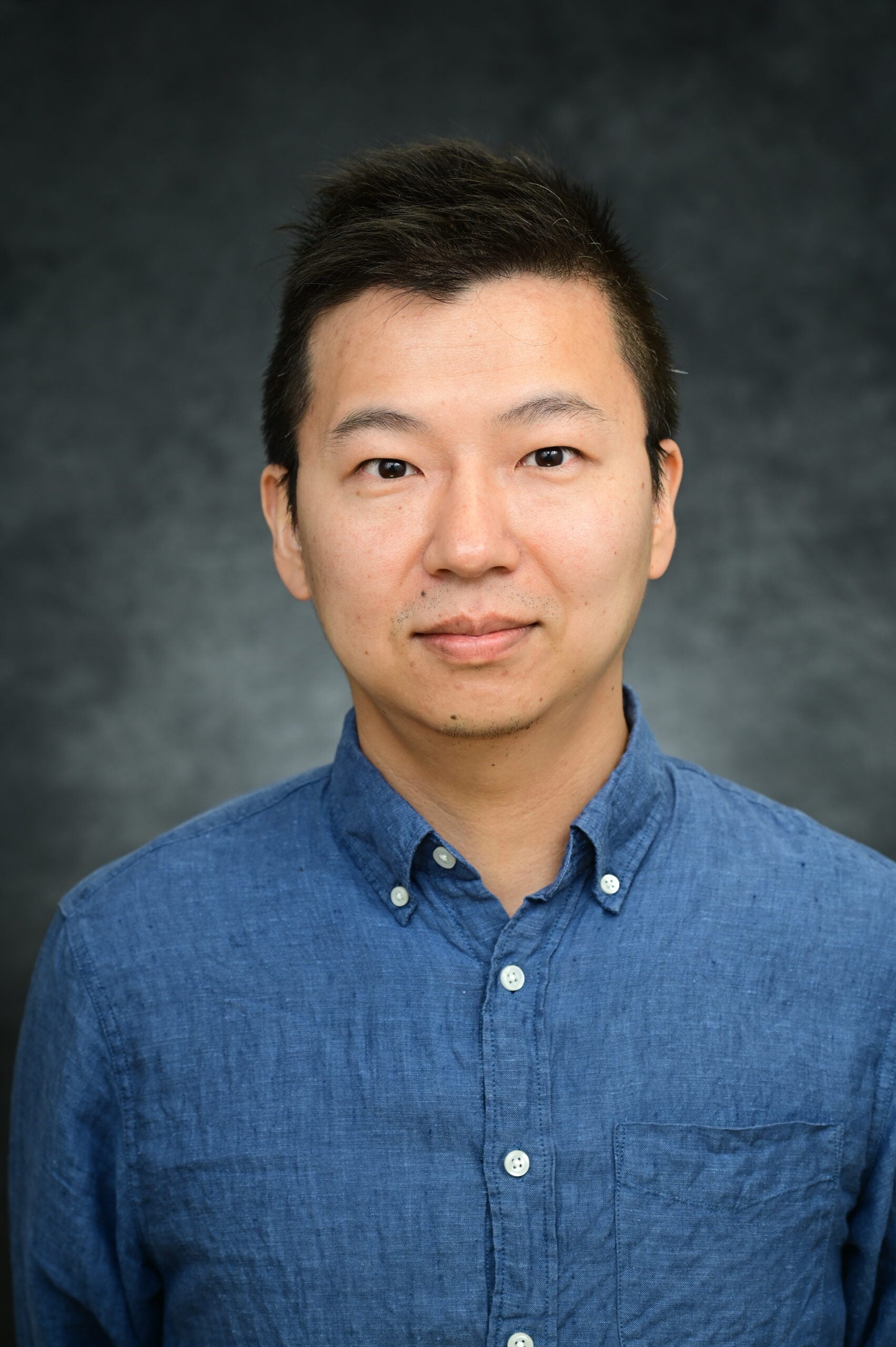
Dr. Yipu Zhang
Dr. Yipu Zhang’s research focuses on statistical machine learning, biomedical data science, and multi-omics data integration. His work aims to develop interpretable and privacy-preserving computational methods, particularly federated learning frameworks, to integrate heterogeneous multi-site biomedical data. His research integrates techniques from statistical modeling, deep generative models, and bioinformatics to support disease association studies, biomarker discovery, and precision medicine, with applications in Alzheimer’s disease and osteoporosis.
Email: yzhang76@tulane.edu
Dr. Yipu Zhang’s research focuses on statistical machine learning, biomedical data science, and multi-omics data integration. His work aims to develop interpretable and privacy-preserving computational methods, particularly federated learning frameworks, to integrate heterogeneous multi-site biomedical data. His research integrates techniques from statistical modeling, deep generative models, and bioinformatics to support disease association studies, biomarker discovery, and precision medicine, with applications in Alzheimer’s disease and osteoporosis.
Email: yzhang76@tulane.edu
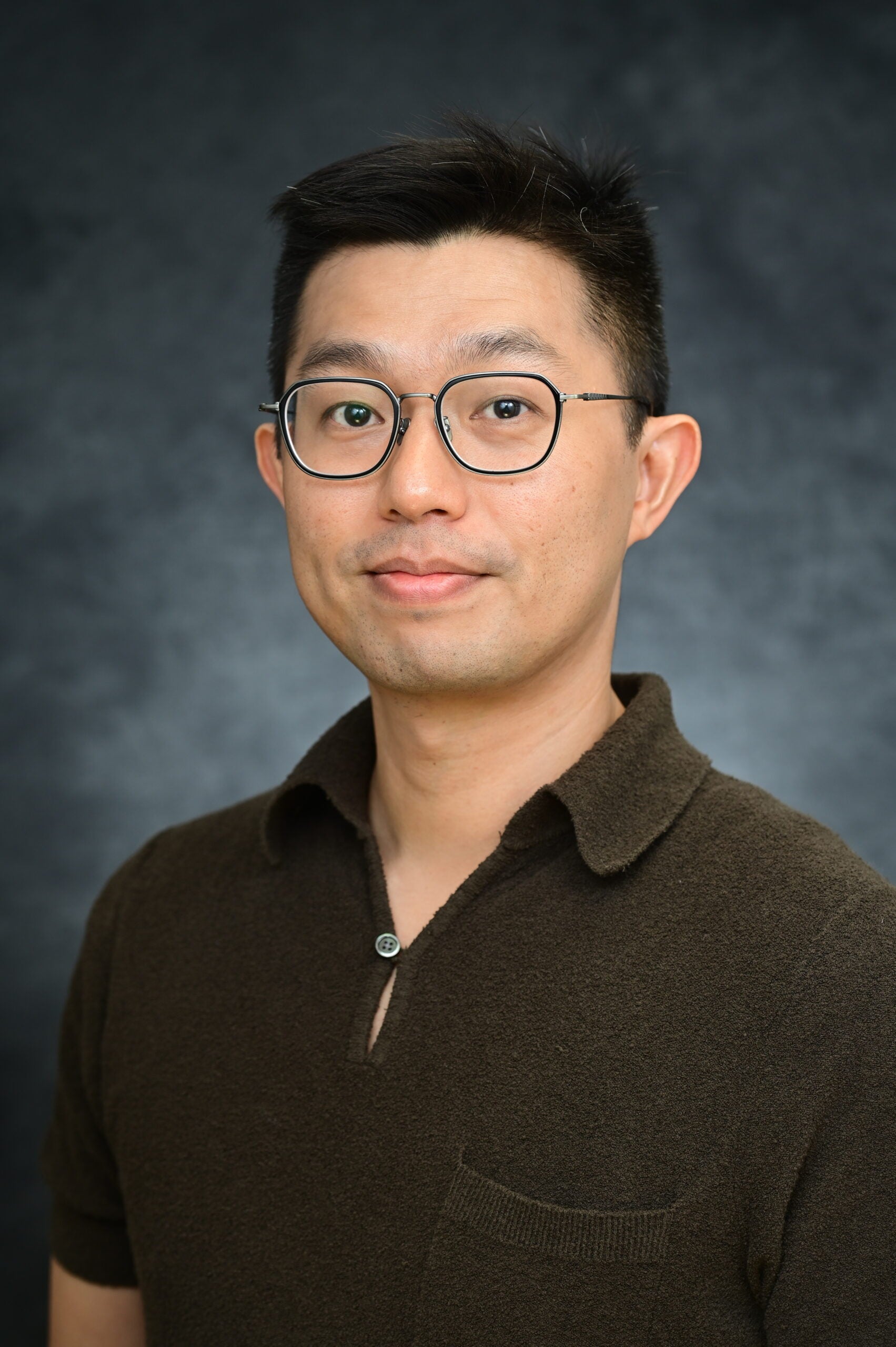
Dr. Kuan-Jui Su
Dr. Kuan-Jui (Ray) Su is a biostatistician and bioinformatician with training in statistical genetics and multi-omics data analysis. His research focuses on integrating population-scale genomics and multi-omics data to study the biological mechanisms underlying musculoskeletal aging, including bone mineral density and body composition. His work involves large-scale cohort analyses, whole-genome sequencing, and multi-omics integration, with an emphasis on translating molecular findings into clinically relevant insights related to aging and complex traits.
Email: ksu2@tulane.edu
Dr. Kuan-Jui (Ray) Su is a biostatistician and bioinformatician with training in statistical genetics and multi-omics data analysis. His research focuses on integrating population-scale genomics and multi-omics data to study the biological mechanisms underlying musculoskeletal aging, including bone mineral density and body composition. His work involves large-scale cohort analyses, whole-genome sequencing, and multi-omics integration, with an emphasis on translating molecular findings into clinically relevant insights related to aging and complex traits.
Email: ksu2@tulane.edu
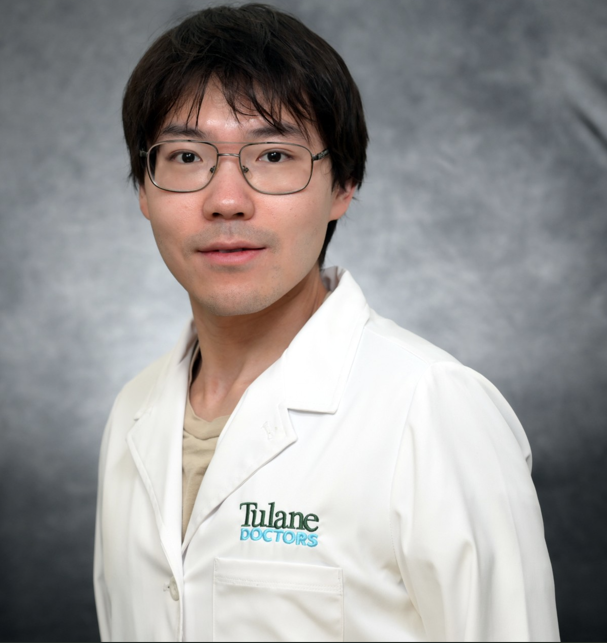
Dr. Yun Gong
Dr. Gong’s research focuses on applying single-nucleus multi-omics sequencing and spatial transcriptomic technologies to investigate the pathological mechanisms underlying complex diseases. He can provide extensive expertise in study design, data preprocessing, bioinformatics analysis, and interpretation of the results.
Email: ygong@tulane.edu
Dr. Gong’s research focuses on applying single-nucleus multi-omics sequencing and spatial transcriptomic technologies to investigate the pathological mechanisms underlying complex diseases. He can provide extensive expertise in study design, data preprocessing, bioinformatics analysis, and interpretation of the results.
Email: ygong@tulane.edu